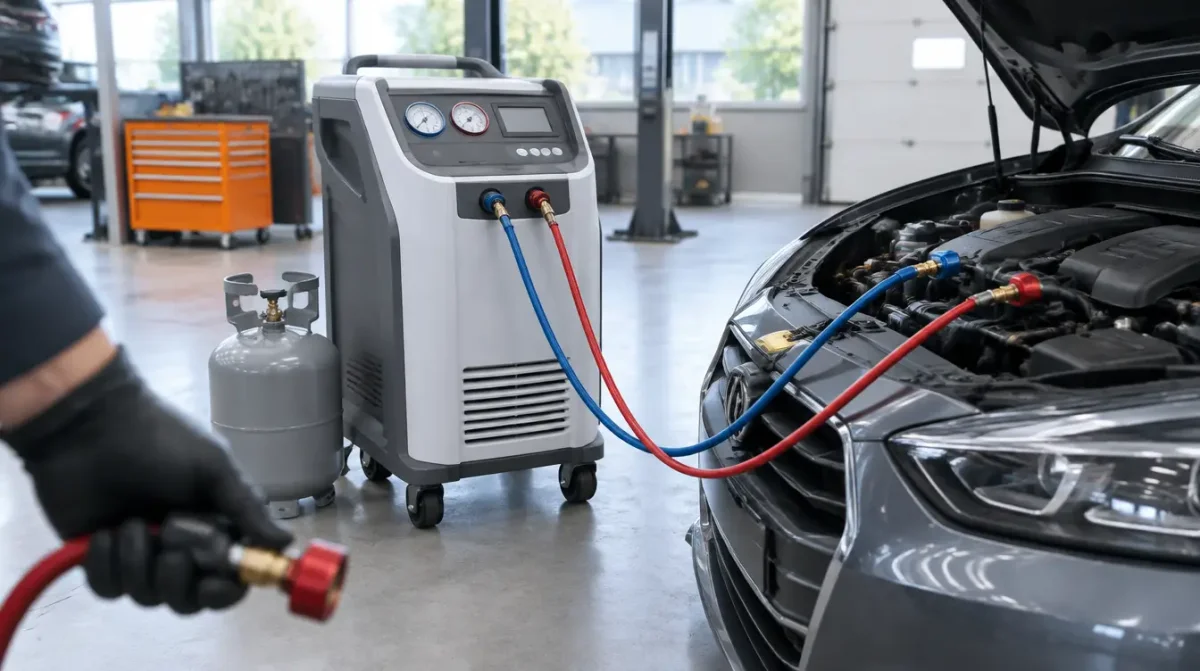
More and more workshops are reporting a strange problem when charging their A/C service unit with R1234yf: a silicone like solid mass forms inside the unit. This phenomenon is called polymerisation and in the worst case it leads to total loss of the A/C service unit. In this blog we explain what polymerisation is, what manufacturers such as Dometic, Honeywell and Bosch see as the cause, and how to protect your A/C service unit.
What is polymerisation?
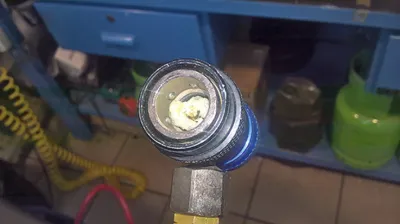
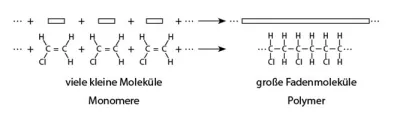
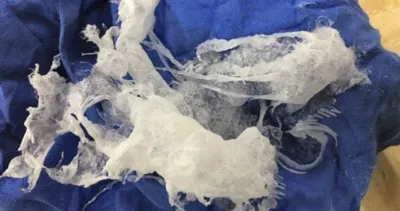
During polymerisation, many small molecules (monomers) are linked together in a chain reaction to form long polymer chains. Industry uses this process deliberately to produce plastics such as polyethylene (PE), polypropylene (PP) and PVC. Inside an A/C service unit, however, it is an unwanted reaction: the refrigerant changes from a gas into a white, solid or semi solid substance that blocks the lines, filters and valves of the unit.
Important to know: polymerisation has so far only been observed with the refrigerant R1234yf. The problem is not known with R134a.
How does polymerisation occur in an A/C service unit?
The Hamburg motor trade guild and the German trade association ZDK received several reports of this problem. Trade magazine KRAFTHAND asked refrigerant and service equipment manufacturers for an explanation. According to Guido Sasse, head of workshop equipment at Dometic (the parent company of WAECO), the reaction occurred as soon as a new refrigerant cylinder was connected to the A/C service unit. Bosch, Texa, WOW and the trade association ASA confirm that such cases do occur.
The A/C service unit is not the cause but the victim. The problem lies in the refrigerant that enters the unit via the cylinder or via the vehicle. Manufacturers name three possible causes:
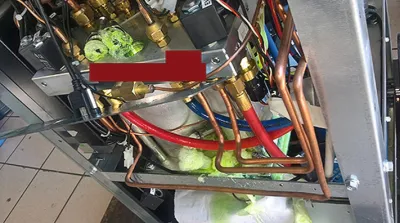
- Air and high temperatures: Laboratory tests by Dometic show that R1234yf can polymerise when two factors come together: the ingress of air and high temperatures. When refrigerant is transferred from the cylinder to the unit, the gas expands, which in rare cases results in a solid mass.
- Contamination by thread sealant: In a technical bulletin, Honeywell suspects liquid or paste type thread sealants as the culprit. These sealants often contain peroxides. If they come into direct contact with R1234yf, a white polymer can form. The safety data sheet of refrigerant manufacturer Friedrichs warns against oxidising substances for the same reason.
- Residue in returnable cylinders: In practice, refrigerant cylinders are rarely emptied completely. Whether that residue can contaminate the entire refilled cylinder has not yet been proven, but it is seen as a possible contributing factor.
Bosch and AVL Ditest consider impurities the most likely cause, but remain cautious because the phenomenon has not yet been researched sufficiently. What all parties do recommend: check the purity of your refrigerant before it enters your unit.
What does this mean for your workshop?
According to trade association ASA, these are isolated cases across Europe. There is no need to panic, but the damage per case is significant. A blocked A/C service unit means an expensive repair or replacement of the complete unit, plus downtime in the workshop. A few measures reduce the risk considerably.
How to prevent polymerisation in your A/C service unit
- Check the purity of the refrigerant: Both AVL Ditest and Dometic recommend refrigerant identification. With a refrigerant analyser for R1234yf or an external gas analyser according to SAE you can see immediately whether the refrigerant in the vehicle or the cylinder is contaminated before you recover it.
- Install a refrigerant reactor between vehicle and unit: The WAECO PolyreactGuard S was developed specifically for this problem. The device heats the refrigerant from the vehicle and filters it, so that any reaction takes place inside the PolyreactGuard and not inside your A/C service unit. The filter also separates sealants before they can enter the service unit. You mount the PolyreactGuard S to the bonnet with the supplied bracket and connect it between the HP yf coupler of the vehicle and your station. Suitable for a maximum refrigerant charge of 1,500 grams.
- Keep sealants out of your unit: When assembling or repairing refrigerant lines, use PTFE tape instead of liquid or paste type thread sealants. That is Honeywell's advice. Has leak stop or another sealant been used in the vehicle during maintenance? Then a Recycle Guard for R1234yf is a sensible addition: it captures sealant before it reaches your unit.
- Avoid air and heat when charging: Store refrigerant cylinders in a cool place out of the sun, and always follow the procedure of your A/C service unit manufacturer when connecting a new cylinder. Connect hoses and couplers carefully so that no air enters the system.
- Replace filters and filter driers on time: A saturated filter drier no longer holds back moisture and dirt. Stick to the maintenance interval of your unit and order the right parts for your service unit before they fail.
PolyreactGuard S or Recycle Guard: which one do you need?
Both devices are installed between the vehicle and your A/C service unit, but they solve different problems. The Recycle Guard is a filter that stops leak stop and sealant. The PolyreactGuard S goes one step further: in addition to filtering, it heats the refrigerant so that contaminated R1234yf reacts before it reaches your station. If you work with R1234yf a lot and want no risk of polymerisation, the PolyreactGuard S offers the most complete protection. A universal mounting bracket is available for both devices.
Frequently asked questions about polymerisation and R1234yf
Does polymerisation also occur with R134a?
No, as far as is known polymerisation has only been observed with R1234yf.
Is my A/C service unit the cause?
No. Manufacturers agree that the unit is the victim. The cause lies in contaminated refrigerant, air and high temperatures, or sealants containing peroxides.
How do I recognise polymerisation?
You will see a white, silicone like, solid or semi solid substance in the lines, filters or valves of the unit. This is often accompanied by restricted flow or error messages during recovery or charging.
Can I remove polymer from my unit?
That depends on the location and the amount. In many cases lines, filters and valves have to be replaced. Contact us for the right service unit parts.
Does the PolyreactGuard S work with every A/C service unit?
Yes. The PolyreactGuard S is connected between the vehicle and the station and is not brand specific. It comes with a red hose and HP yf coupler.
Conclusion
Polymerisation of R1234yf is rare, but the consequences for your A/C service unit are serious. The cause lies with the refrigerant: contamination, air and high temperatures. With refrigerant identification, the right sealing material and a refrigerant reactor such as the WAECO PolyreactGuard S between vehicle and unit, you protect your investment. Browse our full range of detection equipment and air conditioning maintenance, or contact us for advice on the right protection for your workshop.