
Leak stop
Leak stop for the aircon system seals small leaks at hoses, gaskets and seals, without taking parts off. The products come per refrigerant: R134A for older systems and R1234YF for newer ones. Choose the version with UV leak detection if you want to trace the leak later with a UV lamp. If you are unsure which refrigerant is in the car, check the label under the bonnet first. A leak stop adds to leak detection and UV, it does not replace a repair on a hose that is clearly broken.
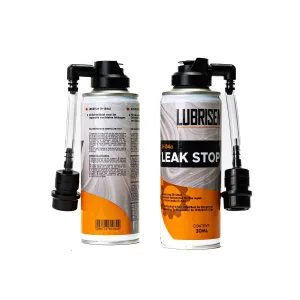
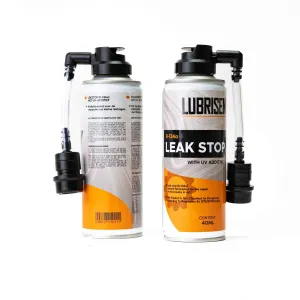
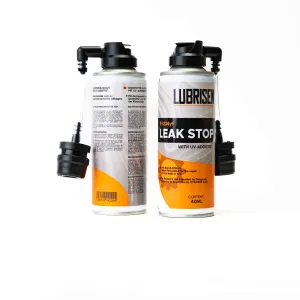
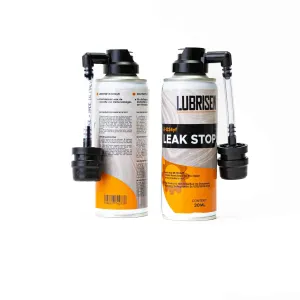
Choosing leak stop: refrigerant, UV and use
Which refrigerant is in the system
Leak stop comes in an R134A and an R1234YF version. R134A belongs to older systems, R1234YF to newer ones. The label under the bonnet states which refrigerant goes in. If you are unsure between the two, find the label first before you add anything.
With or without UV leak detection
The version with UV leak detection leaves a trace you can find later with a UV lamp. Handy when you do not know exactly where the refrigerant escapes. If you choose the version without UV, you seal the leak but you do not see where it was.
When to use a leak stop
A leak stop seals small leaks at hoses, gaskets and seals. With a split hose or a clearly visible fault, a repair is the right step. Use the product as an addition to maintenance, not as a replacement. After adding it, check the system for pressure and top up the refrigerant to the correct level. If the leak keeps coming back, that points to a bigger problem you need to tackle.
Combine with the right compressor oil
Leak stop and compressor oil work together in the same system. If you use PAG oil or POE oil, match it to the refrigerant and the system. A wrong combination can affect the lubrication. If you change the oil, do it according to the instructions of the vehicle manufacturer.